Prenatal Testing sa Ikalawang Trimester
Mahahalagang Punto
- Pinipino ng second-trimester testing ang fetal-risk assessment at pinalalawak ang diagnostic options.
- Karaniwang midpregnancy tools ang anatomy ultrasound at quad/integrated screening.
- Mas definitive ngunit invasive ang diagnostic tests tulad ng amniocentesis at PUBS.
- Nakatuon ang nursing care sa informed choice, preparation, postprocedure safety, at follow-up.
Patopisyolohiya
Tinatasa ng second-trimester testing ang structural development, chromosomal-risk signals, placental function, at selected fetal blood/genetic conditions. Tinatantiya ng screening tests ang probability; nangangailangan ng confirmatory diagnostics ang positive screens. Karaniwang isinasagawa ang comprehensive obstetric ultrasound around 18 to 22 weeks para tasahin ang fetal number at viability, gestational age, anatomic survey, placental location, amniotic fluid volume, at maternal pelvic structures.
Karaniwang maternal-serum screen ang quad screen na ginagawa sa about 15 to 20 weeks (na may ilang pathways na umaabot sa about 22 weeks) at kabilang ang AFP, estriol, hCG, at inhibin A. Ang abnormal screening results ay nagpapataas ng concern para sa selected aneuploidy o neural-tube-defect risk at nagtutulak ng talakayan tungkol sa targeted ultrasound at/o invasive diagnostic confirmation (halimbawa amniocentesis). Madalas itong binibigyang-diin kapag may risk factors, tulad ng maternal age 35 years o mas matanda o prior pregnancy na apektado ng neural tube defect. Ang AFP screening sa pagitan ng about 15 at 22 weeks ay maaaring i-interpret kasama ng ibang markers: ang low AFP na may low estriol at abnormal hCG patterns ay maaaring magpataas ng concern para sa trisomy risk, habang ang elevated AFP ay nagpapataas ng concern para sa neural tube defects. Pinapabuti ng pagdagdag ng inhibin A ang trisomy 21 risk-screen performance sa quad-screen pathways. Karaniwang pinapares ng integrated/sequential screening frameworks ang first-stage screening sa about 10 to 13 weeks (blood plus ultrasound) sa second-stage serum testing sa about 15 to 22 weeks para pinuhin ang risk estimates. Kasama rin sa routine second-trimester laboratory surveillance ang CBC o hemoglobin/hematocrit trend review, gestational-diabetes screening (karaniwang 24 to 28 weeks), at repeat blood type/Rh/antibody screening sa Rh-negative pregnancies near 28 weeks.
Maaaring matukoy ng diagnostic procedures ang specific chromosomal at blood disorders at gabayan ang pregnancy management, delivery planning, at newborn specialty preparation. Maaaring magbigay ang amniocentesis ng diagnostic fetal-cell analysis sa midpregnancy ngunit may procedural risk (karaniwang under 1 percent miscarriage risk, na may mas mababang rates sa ilang datasets), kabilang ang fluid leakage, miscarriage, needle injury, Rh sensitization, uterine infection, at posibleng infectious transmission. Depende sa indication, maaaring suportahan ng amniotic-fluid analysis ang infection assessment at selected fetal-maturity evaluation. Maaaring isagawa ang PUBS mula about 18 weeks at ginagamit para sa targeted diagnosis ng fetal blood at chromosomal conditions (halimbawa fetal anemia/thrombocytopenia, infection, isoimmunization), na may potential therapeutic use para sa intrauterine transfusion o medication delivery. Mataas ang diagnostic accuracy ng PUBS ngunit selektibo itong ginagamit dahil mas mataas ang procedural risk kaysa maraming ibang prenatal tests. Dapat kabilang sa counseling ang risk ng miscarriage, fetal/maternal bleeding, cord hematoma, transient fetal bradycardia, infection, placental separation, o emergency delivery. Maaaring gamitin ang umbilical artery Doppler mula about 22 weeks kapag lumilitaw ang fetal growth concerns; ang abnormal flow ay maaaring magpahiwatig ng impaired oxygen delivery at pangangailangan ng karagdagang surveillance. Kung abnormal ang Doppler findings, maaaring isama sa follow-up sonographic evaluation ang fetal middle cerebral artery, ductus venosus, at umbilical venous flow assessment para mailarawan ang tindi ng placental insufficiency. Ang fetoscopy (pagkatapos ng about 12 weeks, indication-dependent) ay maaaring suportahan ang direct fetal intervention sa selected severe conditions tulad ng twin-to-twin transfusion syndrome o amniotic band syndrome ngunit may invasive-risk tradeoffs; maaaring magbigay rin ang fetoscope ng direct visualization at access para sa laser vessel ablation, band release, selected fetal procedures, o tissue sampling. Sa selected complex fetal-anomaly pathways, maaaring gamitin ang MRI bilang adjunct imaging kapag limitado ang ultrasound detail.
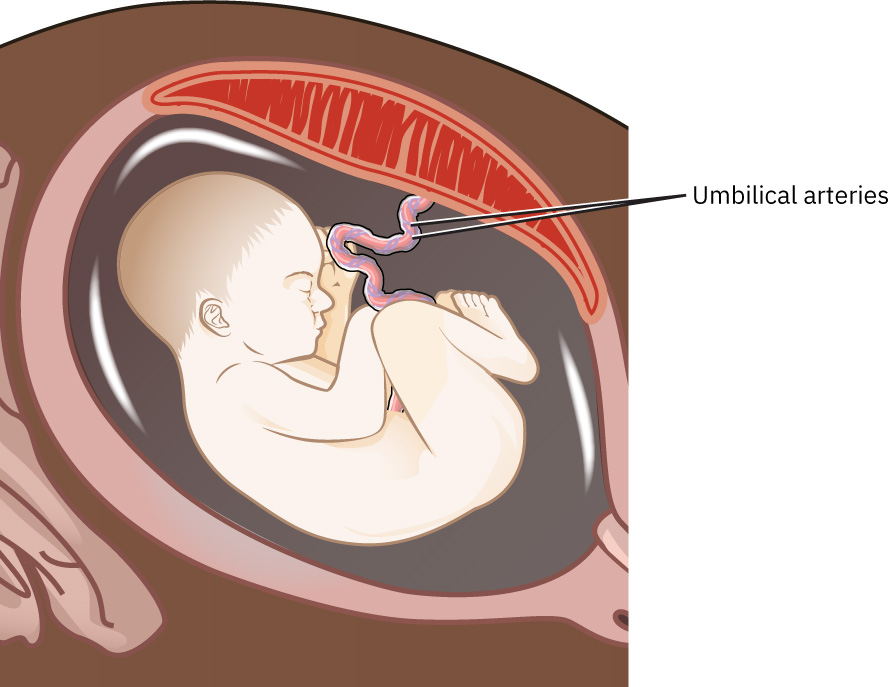 Illustration reference: OpenStax Maternal-Newborn Nursing Ch.13.2.
Klasipikasyon
- Routine screening domain: Detailed anatomy ultrasound (madalas 18 to 22 weeks) at marker screening (quad/integrated part 2).
- Metabolic/hematologic surveillance domain: CBC-H&H trends, platelet surveillance, at gestational-diabetes screening workflow.
- Risk-focused surveillance domain: Umbilical Doppler at targeted imaging.
- Diagnostic domain: Amniocentesis (madalas 15 to 20 weeks), PUBS (mula about 18 weeks), fetoscopy (pagkatapos ng about 12 weeks kapag indicated), at selected invasive evaluations.
- Immunohematologic domain: Rh antibody titers at Rh prophylaxis planning.
- Adjunct imaging domain: Fetal MRI para sa selected structural o central nervous system concern pathways.
Pagtatasa sa Nursing
Pokus sa NCLEX
Palaging i-verify ang pag-unawa ng pasyente sa “screening risk” versus “diagnostic confirmation” bago ang consent.
- Kumpirmahin ang gestational age at test timing eligibility.
- Suriin ang prior first-trimester results at current indications.
- Bago mag-order ng targeted second-trimester ultrasound pathways, muling tasahin ang indication clusters tulad ng vaginal bleeding, abdominal o pelvic pain, suspected cervical insufficiency o multifetal pregnancy, uterine-size at date discordance, amniotic-fluid abnormalities, posibleng placental complications, o abnormal biochemical markers.
- Tayahin ang procedural contraindications at Rh/infection status.
- Para sa amniocentesis pathways, i-verify ang common indication triggers tulad ng maternal age 35 o mas matanda, prior affected pregnancy, unexplained persistent AFP elevation, recurrent pregnancy loss, o Rh-sensitization concerns.
- Iugnay ang ultrasound findings sa dating history kapag mukhang hindi tugma ang fundal-height trend at gestational age.
- Para sa gestational-diabetes screening, i-verify ang prep at interpretation sequence: 1-hour 50 g glucose challenge (non-fasting sa karamihan ng protocols) na sinusundan ng diagnostic 3-hour oral GTT kapag elevated ang screening.
- Gamitin ang local screen-positive thresholds para sa 1-hour GCT (karaniwang over 130 mg/dL sa serum pathways o over 140 mg/dL sa fingerstick/whole-blood pathways).
- Para sa 3-hour 100 g GTT, ituring na diagnostic ng gestational diabetes ang dalawa o higit pang elevated values sa apat na time points sa common protocols.
- Pagkatapos ng abnormal AFP/marker results, tasahin ang readiness para sa staged follow-up options (repeat marker testing, high-definition ultrasound, at/o invasive confirmation).
- Kapag abnormal ang AFP, muling tasahin nang maaga ang dating accuracy at multifetal status dahil ito ang karaniwang non-anomaly causes ng unexpected AFP levels.
- Para sa PUBS planning pagkatapos ng about 23 weeks, i-verify ang preprocedure instructions (kabilang ang NPO window kapag ordered para sa posibleng procedural escalation).
- Para sa Doppler at fetoscopy pathways, tasahin kung nauunawaan ng pasyente ang indication-specific goals (surveillance versus intervention) at procedure-related risk profile.
- Sa fetoscopy pathways, tasahin ang pag-unawa sa procedure risks kabilang ang membrane rupture, procedure-triggered labor, at infection.
- I-evaluate ang anxiety, values, at decision-support needs.
- Tayahin kung may personal o religious values na nakaaapekto sa screening uptake at tiyaking nauunawaan ng pasyente na optional ang risk screening.
- Suriin ang posttest symptom vigilance capacity at follow-up access.
Mga Interbensiyong Pang-nars
- Magbigay ng test-specific education (purpose, limits, at posibleng next steps).
- Para sa anatomy ultrasound preparation, i-verify ang last-menstrual-period dating, ituro ang pagdating na may full bladder kapag hinihingi, at ipaliwanag ang semi-recumbent positioning sa padded table habang nagse-scan.
- Ituro ang practical glucose-testing workflow at local thresholds na ginagamit (screen-positive saka diagnostic confirmation), at linawin ang fasting requirements para sa diagnostic test.
- Linawin na ang positive marker screens ay increased risk, hindi diagnosis, at marami sa abnormal AFP results ay hindi nagreresulta sa confirmed fetal anomaly.
- Ihanda ang comfort/privacy at procedural readiness.
- Para sa amniocentesis, kunin ang baseline fetal heart rate, suriin ang blood type/Rh/antibody status, at ipaliwanag ang expected sensations (brief stinging/pressure/cramping) bago ang needle insertion sa ilalim ng ultrasound guidance.
- I-monitor ang maternal-fetal status pagkatapos ng invasive testing at palakasin ang warning signs (halimbawa persistent cramping, bleeding, fluid leakage, fever, o decreased fetal movement).
- Pagkatapos ng amniocentesis, ituro ang temporary activity restriction (halimbawa iwasan ang strenuous exercise sa about 24 hours) at ihiwalay ang expected mild spotting/discomfort mula sa urgent warning symptoms.
- Pagkatapos ng PUBS, i-monitor ang fetal heart rate sa immediate recovery period, palakasin ang activity restriction para sa natitirang araw, at ituro ang urgent return precautions (chills, persistent cramps, fever, fluid leakage, bleeding, o decreased fetal movement).
- Para sa fetoscopy workflows, palakasin ang consent quality, ipaliwanag ang expected peri-procedure monitoring, at ituro ang urgent symptom escalation para sa rupture-of-membranes signs, contractions, o infection symptoms.
- I-coordinate ang genetics referral at multidisciplinary planning para sa abnormal findings.
- Sa Rh-negative pathways, i-verify ang repeat blood type/Rh/antibody screen near 26 to 28 weeks at i-coordinate ang antepartum Rh immune globulin kapag nananatiling negative ang antibody screen.
- Kung may sensitizing events (halimbawa placental abruption, abdominal trauma, o unexplained vaginal bleeding), i-coordinate ang Rh immune-globulin administration within about 72 hours at ongoing prophylaxis scheduling ayon sa protocol hanggang delivery.
- Ituro na postpartum Rh immune-globulin ay indicated lamang kung Rh positive ang newborn.
- Linawin na kapag naitatag na ang true alloimmunization (persistent positive anti-Rh antibody), hindi na mababaligtad ng prophylactic Rh immune globulin ang sensitization.
- Suportahan ang patient autonomy, kabilang ang informed refusal.
- Gumamit ng noncoercive counseling kapag tinatanggihan ng pasyente ang screening at idokumento ang informed decision quality.
Positive-Screen Panic
Ang pag-frame ng positive screen bilang diagnosis ay maaaring mag-trigger ng maiiwasang distress at padalus-dalos na mga desisyon.
Farmakolohiya
| Drug Class | Examples | Key Nursing Considerations |
|---|---|---|
| rh-immune-globulin(Rh immune globulin) | Rh-negative prophylaxis contexts | Suriin ang blood type/antibody status at mag-administer ayon sa protocol timing. |
| analgesics(mga analgesic) | Postprocedure discomfort contexts | Maaaring mangyari ang mild cramping; ang persistent pain o bleeding ay nangangailangan ng urgent reassessment. |
Aplikasyon ng Clinical Judgment
Klinikal na Sitwasyon
Isang pasyente ang may positive quad screen at nagtatanong kung tiyak bang may chromosomal condition ang fetus.
- Recognize Cues: Maling interpretasyon ng screening result.
- Analyze Cues: Maaaring makasagabal ang anxiety sa informed decision-making.
- Prioritize Hypotheses: Prayoridad ang clarification at confirmatory pathway planning.
- Generate Solutions: Ipaliwanag ang risk-based nature ng screening at talakayin ang diagnostic options.
- Take Action: Ayusin ang counseling at follow-up testing ayon sa preference.
- Evaluate Outcomes: Naipapakita ng pasyente ang tumpak na pag-unawa at informed next-step choice.
Mga Kaugnay na Konsepto
- prenatal testing sa unang trimester - Madalas na sumusunod ang midpregnancy testing sa early screening results.
- prenatal testing sa ikatlong trimester - Maaaring mangailangan ng late surveillance ang abnormal midpregnancy findings.
- fetal growth at development - Ang anatomy at growth milestones ang nagtutulak sa second-trimester testing focus.
- genetics sa reproductive care - Hinuhubog ng carrier at chromosomal risk pathways ang counseling.
- person at family centered care - Dapat umayon sa patient values at goals ang testing decisions.
Sariling Pagsusuri
- Aling second-trimester tests ang screening versus diagnostic?
- Anong findings pagkatapos ng amniocentesis o PUBS ang nangangailangan ng urgent contact?
- Paano dapat ipaliwanag ng nurses ang next steps pagkatapos ng positive quad screen?